
Written by Alyana Reina Morales
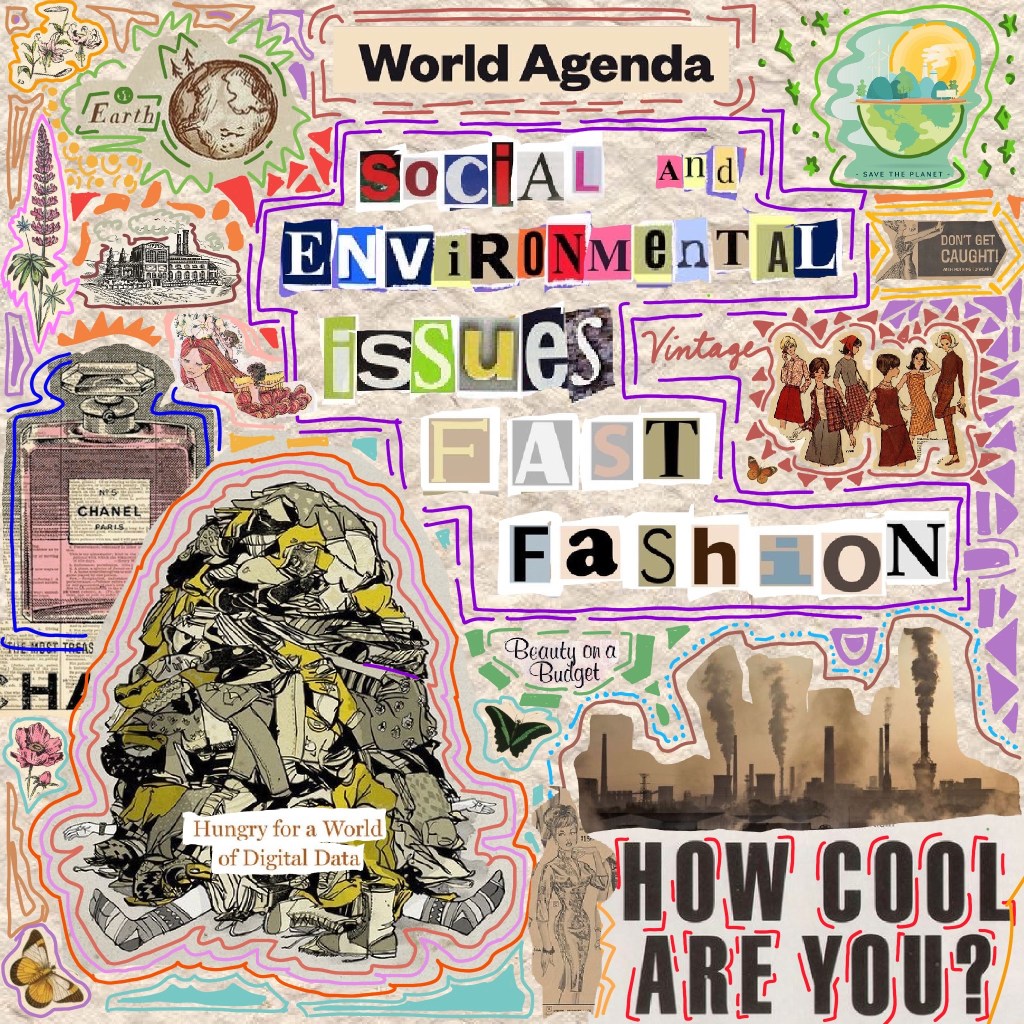
I find it very ironic how these two words with completely two different meanings can be put together to tackle an environmental as well as a social issue. Die, one’s passing, and dye, the substance that changes the colors of things, are deeply connected in the depths of the fashion industry. The question is: who is dying and what does dyeing have to do with it?
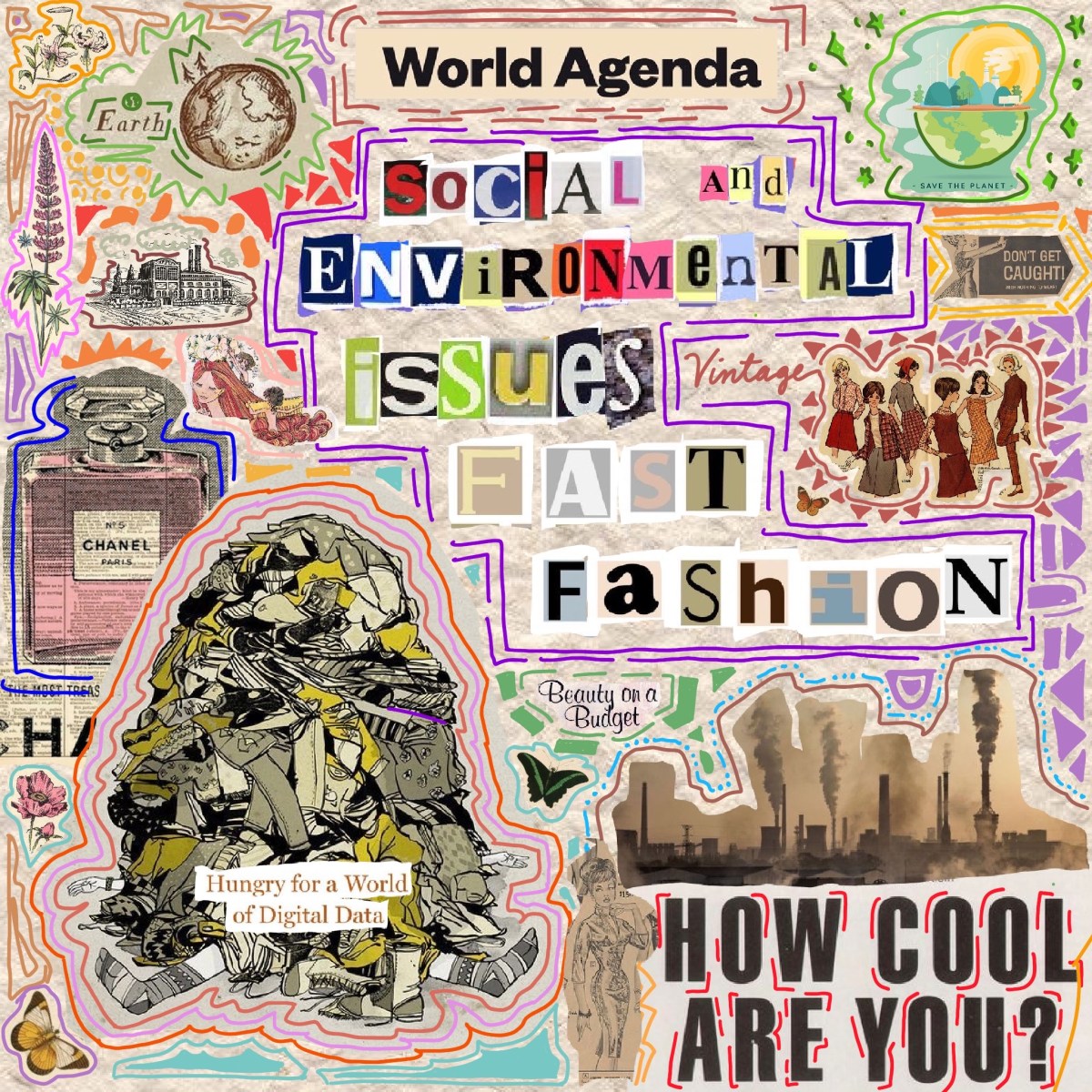
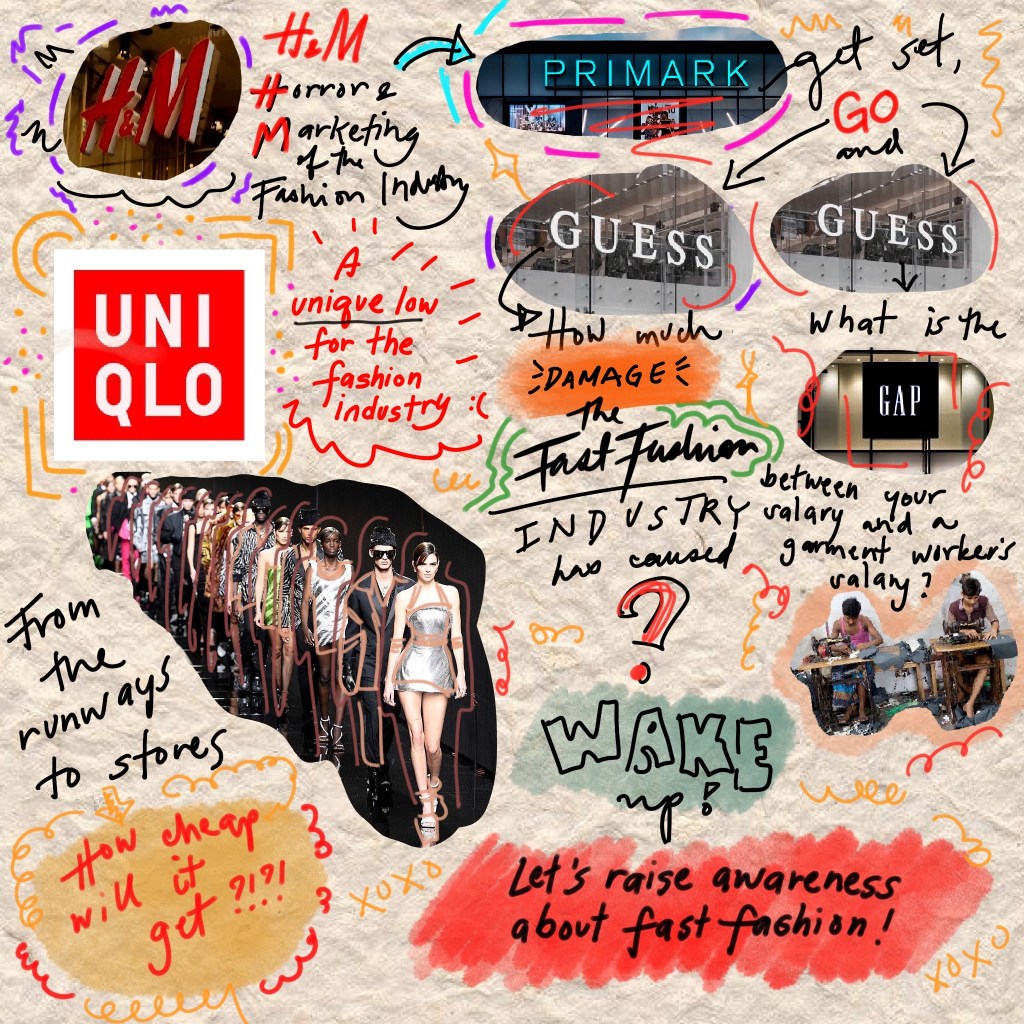
Fast fashion has been a subject of attention within the fashion industry as early as the 1990s when the term was coined by the New York Times to describe Zara’s model of designing clothes and selling them in stores in a span of only 15 days. Fast fashion took the world by storm as it produced clothes at a fast rate and cheap price. It borrowed designs from runways and celebrities, turning them into cheaper and more affordable clothing in hopes that people buy it to become part of the current trends.[1] Then again, how cheap are we really buying these clothes for?
Quoting from Lucy Siegle, an author and journalist on ethics of the fashion industry, “Fast fashion isn’t free. Someone somewhere is paying.” While we do pay for these clothes often at an incredibly low price, the true cost of each garment is being paid for by laborers working under the roofs of unregulated factories in developing countries.
River Blue, a documentary about the global pollution of rivers through tanning (process of turning animal skins into leather), textile production, and textile dyeing, unmasks the harsh reality of people’s lives working (and struggling) in these factories. It brought to light the rivers that run alongside some of the most heavily polluted cities in the world, such as the Yamuna River in India, Li River in China and Citarum River in Indonesia, all contaminated by life-threatening chemicals.

Source: Munir Uz Zaman/AFP
In another documentary The True Cost, the underlying price of the fashion industry is shown to be continuously growing as so many hidden truths are left unaccounted for by leading brands. The film is an exposé on how these brands are continuously exploiting cheap materials and labour in developing countries, while also evading responsibility for the escalating toll on human health and the environment. Clothing and textile waste, chemical pollution, health hazards and labour issues have become “the dirty shadow of the fashion industry”. How did that happen?
Since the goal of fast fashion is to produce clothes fast, it is the supply chain, or the people in the factories, that are rushed to produce textiles and apparel for export at a low labor wage, leaving them with no choice but to work longer hours to achieve production quotas at the designated time. This exacerbates their exposure to harsh chemicals in the absence of health safety regulations and decent working conditions.
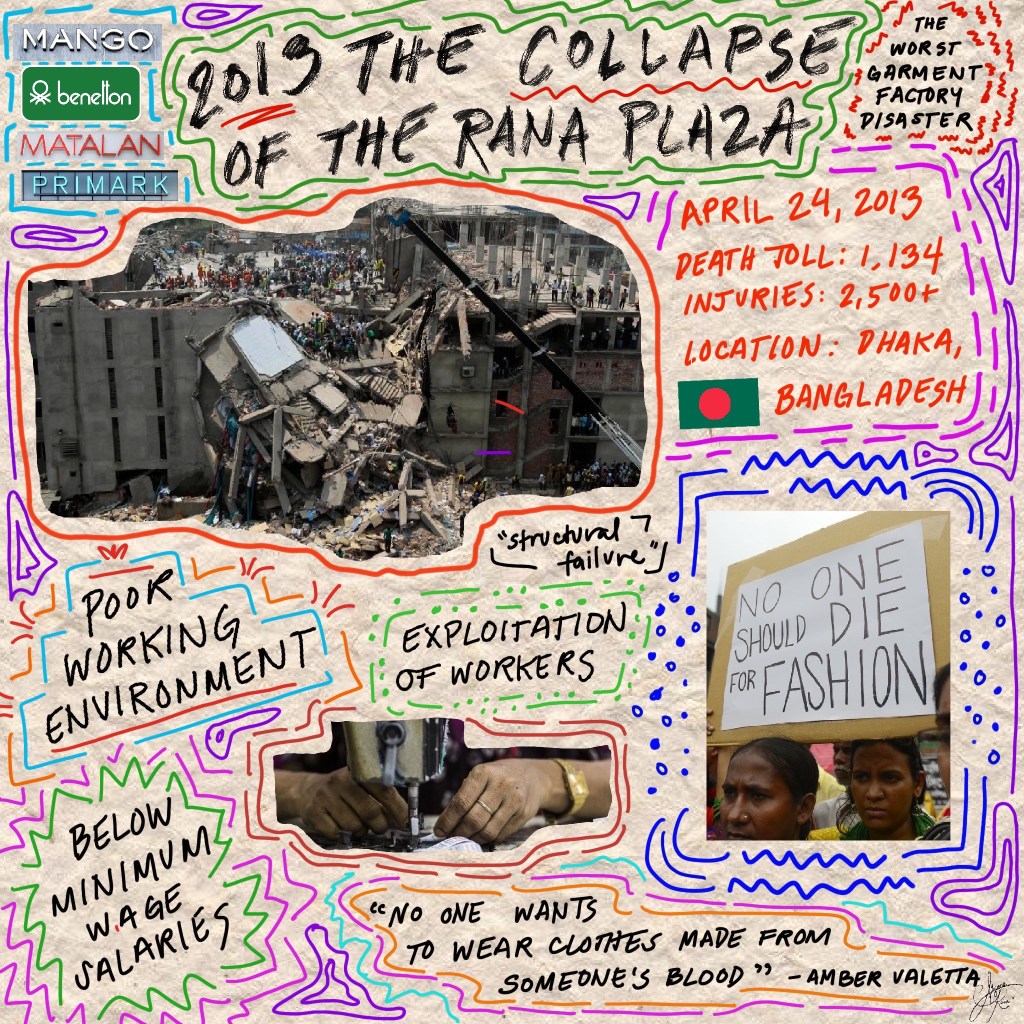
The fall of the Rana Plaza is one of the most prominent disasters that perfectly captures these workers’ predicaments. Rana Plaza is an eight-story building located in Dhaka, Bangladesh that collapsed and took the lives of over 1,100 garment workers. Despite the workers pointing out the cracks on the walls and possible accidents that might occur, they were still forced to go to work. People continued working in these factories because this is the only way for them to earn a living.
On the environmental facet, these factories produce both textile and chemical wastes which end up in landfills and rivers. The production of non-biodegradable textile wastes creates greenhouse gas emissions as well as toxic chemicals and dyes that pollute the soil. When chemical wastes enter rivers and other bodies of water, they contaminate the food chain of aquatic lives and the irrigation of agricultural land. A noteworthy scene in River Blue is when Orsola de Castro, founder of Fashion Revolution (a fast fashion nonprofit organization), says, “There is a joke in China that you can tell the ‘it’ color of the season by looking at the color of the rivers.” A view of the Li River is shown next with a deep color of red. These chemical wastes, whether encountered directly or through the fish and produce people consume, deteriorate human health. The True Cost portrays a particular case in Kanpur, India where a prevailing number of people is diagnosed with jaundice due to a chemical named chromium 6 that attacks the liver. Chromium 6 is used for treating leather and is irresponsibly discharged by tanneries, thus contaminating local farming and drinking water. Every other person in every other household is diagnosed with the illness.

In The True Cost, a female worker said in Bangla, “I believe these clothes are produced by our blood. A lot of garment workers die in different incidents. I don’t want anyone wearing anything which is produced by our blood.” Amber Valetta, a model and entrepreneur, responds to this unethical situation, saying, “No one wants to wear clothes that were made from someone’s blood.”
The answer to my question at the beginning is: workers in the supply chain of the fast fashion industry, be it garment workers or textile factory workers, are dying in the process of producing and dyeing clothes and textiles in order to meet the growing demand for fast fashion.
As Sass Brown, author of ECO Fashion, says: “Cheap fashion is really far from that, it may be cheap in terms of the financial cost, but very expensive when it comes to the environment and the cost of human life.” Fast fashion is still a prevailing issue that is not only detrimental to the environment, but also to ourselves.
References
Solene Rauturier, 2023. “What Is Fast Fashion and Why Is It So Bad?”, Good-on-you. https://goodonyou.eco/what-is-fast-fashion/
 The Polyphony