
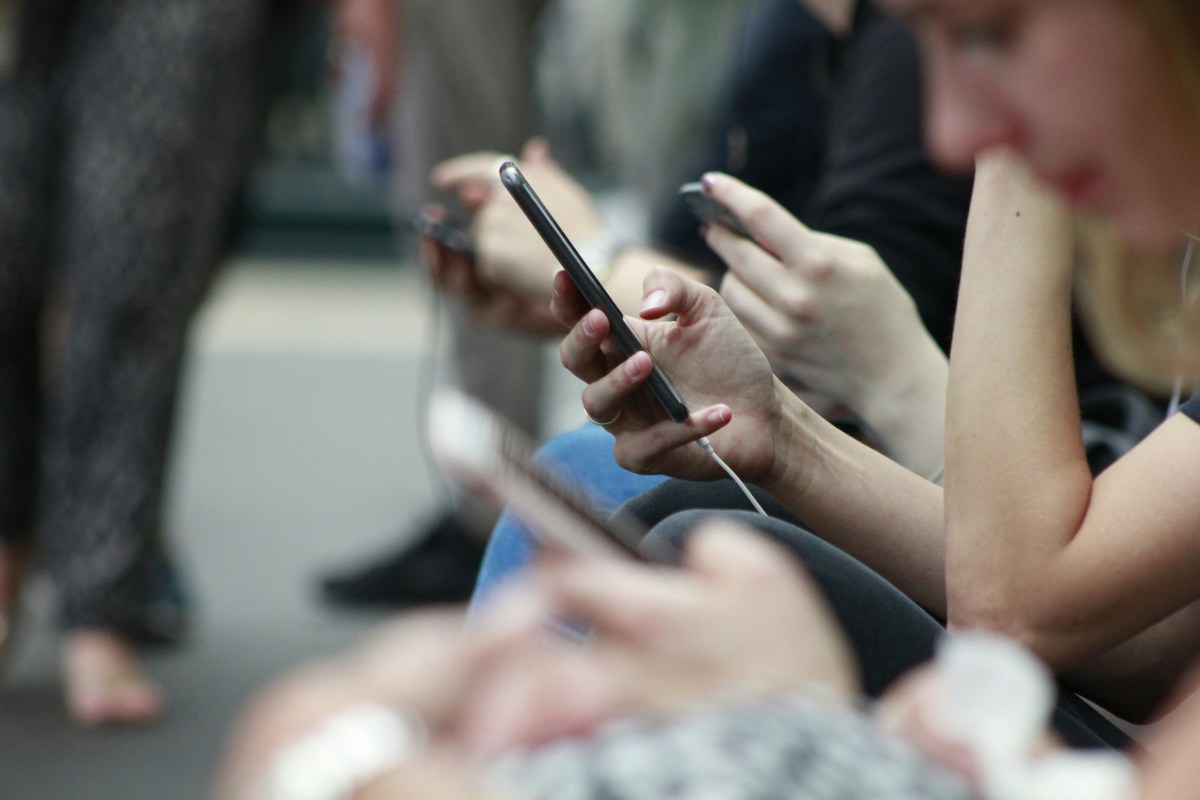
Today’s digital world sees social media as a prevalent force that affects the way people communicate, exchange information, and see the world. Concurrently, urbanization and gentrification have emerged as essential urban processes that significantly sway the landscape of our cities. The interaction between social media and the urban phenomena has begun to pique the interest of academics, legislators, and urban planners alike. As social media continues to expand, so does its influence on urbanization and gentrification, posing fascinating concerns about how these platforms affect the fundamental fabric of our urban settings. This paper will delve into the increasing link between social media, urbanization and gentrification, offering insights into the potential effects of this confluence on urban residents and communities.
The interactions between urbanization and gentrification are complex and multifaceted. Urbanization, the process by which cities develop and attract a greater population, lays the groundwork for gentrification (National Geographic, 2022). Cities experience massive modifications in various aspects of life as they grow, including population expansion, infrastructural development, and economic activity. Urbanization enables social and cultural life to diversify, resulting in dynamic and lively cityscapes. Furthermore, the influence of urbanization extends to environmental concerns, governance, and urban planning, impacting the overall structure and functioning of the city. Relatedly, gentrification is a type of urban development that happens inside certain neighborhoods or districts. It is characterized by the transformation of low-value neighborhoods into high-value ones, often spurred by rapid development and urban renewal initiatives (Picardo, 2022). When a neighborhood becomes more desirable, it attracts an influx of wealthy residents looking for new living experiences, frequently leading to the upgrading and renovation of existing infrastructure. As a result, the neighborhood’s character may alter significantly, accompanied by a rise in the cost of living. This approach can have controversial effects, particularly when it results in the displacement and marginalization of long-term and lower-income residents, generating social and economic turmoil within the community.
Urbanization and gentrification are influenced by a variety of contextual factors. Among them, industrialization, commercialization, and the provision of social benefits and services. The appeal of greater job possibilities and modernity can draw people from rural areas to cities, contributing to the urbanization process (Conserve Energy Future, 2016). Meanwhile, gentrification is influenced by variables such as the potential and desirability of the neighborhood, housing market dynamics, demographic and lifestyle changes, and the impact of policies and development projects. Furthermore, cultural and social aspects can enhance the attraction of certain neighborhoods to specific groups of people (Veronica et al., 2013). The link between urbanization and gentrification stem from the underlying forces that drive both processes. Cities develop a concentration of facilities and infrastructure as urbanization progresses, increasing the appeal of specific neighborhoods. As communities with advanced infrastructure attract affluent residents and stimulate economic activity, these factors become the main drivers of gentrification. The relationship between urbanization and gentrification is dynamic, with each development influencing and reinforcing the other. Infrastructure development, the concentration of amenities, and transportation improvements from the urbanization process can all add to the desirability of some neighborhoods, and in turn, promote gentrification in those areas (Lin & Xie, 2020).

In the digital era, social media revolutionizes the way people connect, communicate, and engage with one another on a worldwide scale. Social media platforms, defined as internet-based forms of communication, allow users to hold discussions, exchange information, and generate online content in a variety of formats, including blogs, social networking sites, instant messaging, and more (University of South Florida, 2023). The use of social media has increased dramatically, with more than 60% of the world’s population currently participating in these virtual spaces (DataReportal – Global Digital Insights, 2023). This force has a deep and multifaceted influence on social dynamics that breaks down traditional communication boundaries. It transforms into a virtual space for community creation and interaction, allowing for the establishment of online groups that mobilize around social, political, and cultural problems. Voices may be amplified, and collective action can be organized through these platforms, allowing citizens to question established sources of authority (Sembiring et al., 2022). Social media platforms can additionally be used to shape public opinion where people share their opinions and participate in debates on a variety of topics. In a way, it has democratized the public space by making several points of view be heard and encouraging challenging conventional sources of authority. Social media’s influences extend beyond communication and action, entering societal dynamics and trends as well. Social media, which serves as a distribution platform for cultural products and creative content, allows influencers and content creators to create a popular culture and set trends, changing consumer behavior such as fashion choices, entertainment preferences, and lifestyle decisions.
Social Capital Theory and Network Society Theory, both prominent theoretical frameworks, provide valuable insights into the analysis of social media’s influence on urbanization and gentrification. According to the Social Capital Theory, interpersonal relationships have an intrinsic value because they provide resources that help achieve the desired outcomes (Machalek & Martin, 2015). This theory becomes crucial in the context of understanding the value of community interaction on social media. It emphasizes the importance of social networks, trust, and information exchange in promoting social cooperation and achieving common goals. By utilizing social media platforms, individuals and communities can improve community involvement, boost collective action, and accumulate social capital. The Network Society Theory, on the other hand, studies the transformational influence of information and communication technology on social, economic, and cultural systems in the digital era (Castells, 2000). Furthermore, the hybrid character of social media, which combines online and offline contacts, has become essential in how communities navigate urbanization and gentrification issues. Thus, the theory sheds light on the evolving nature of community dynamics and social interactions in the context of the digital urban landscape.
Due to social media’s easy accessibility and reach, young individuals have been able to make use of its potential for community organizing and involvement in social movements, amplifying their voices and building empowerment through online activism, mobilization, and digital storytelling (Cortés et al., 2021). Likewise, local governments can also see the beneficial effects of social media in assisting community interaction. A study done in New Zealand, for example, discovered that platforms such as Facebook can be useful channels for local governments to engage with its citizens and increase e-participation (Alam et al., 2022). The emergence of online communities has altered the dynamics of urban relationships by enabling suburban neighborhoods to transcend virtual barriers, impacting offline encounters and developing a sense of community. Online interactions frequently lead to face-to-face interactions, which increase social capital and promote community cohesiveness (Hampton & Wellman, 2003). Furthermore, individuals who actively engage in online communities can have an impact on their offline interactions such as support systems, socializing opportunities, as well as relationship maintenance (Hargittai & Hsieh, 2010). An example of the impact of social media on community cohesion and collective action is in San Francisco’s Mission District, where residents and community organizations used social media channels to express their worries about gentrification and displacement. On Twitter, hashtags like #SaveTheMission gathered traction, offering a platform for locals to share personal stories, document changes in the neighborhood, and mobilize support for affordable housing initiatives (Save the Mission, n.d.). Social media in this case served as a tool to connect residents, build networks, and raise awareness about the challenges of gentrification. Similarly, in the Los Angeles’s Boyle Heights neighborhood, platforms such as Facebook and Twitter were crucial in organizing and mobilizing against gentrification. In reaction to the eviction of long-term residents, community organizations and activists used these platforms to raise awareness, communicate information, and organize demonstrations and activities (Chiland, 2016), serving as a unifying factor that allows locals to protect the cultural and socioeconomic diversity of their neighborhood.

Gentrification typically leads to a rise in housing costs, displacing lower-income residents from their long-established neighborhoods. As a response, individuals and organizations can utilize online platforms to raise awareness about housing affordability concerns and distribute information about available affordable housing alternatives, subsidies, and assistance programs. As hashtags and online campaigns like #HousingForAll or #AffordableHousing gained popularity on Twitter, Facebook, and Instagram, it has also become a powerful instrument for housing advocacy and activism. Individuals and communities may use social media to mobilize, raise awareness, and campaign for policy changes that will improve housing affordability and accessibility. The link between social media and housing dynamics is demonstrated by various examples. Real estate brokers use social media channels to showcase property listings with engaging material like images, videos, and virtual tours, allowing for targeted advertising and reaching a larger audience. The #MyNameIs campaign gained traction on Twitter in Ireland, exposing the serious concerns of rising rents, homelessness, and a lack of housing availability. The campaign mobilized public support, generated discussions, and called for action from policymakers, contributing to increased awareness and public discourse on housing challenges (Lima, 2023). Platforms such as Airbnb have had a big impact on the housing dynamics in several cities. In places such as New York, the rapid expansion of short-term rentals aided by social media platforms has prompted concerns about housing affordability, as properties are removed from the long-term rental market to be used as holiday rentals (Sheppard & Udell, 2016). Social media is a crucial tool for shaping the branding and identity of gentrifying neighborhoods, allowing individuals to share information and stories about the area. This increases the area’s online presence, and can help local businesses gain more attention and customers. However, social media can also contribute to gentrification and displacement, so it’s important to strike a balance between growth and preserving the neighborhood’s inclusivity
With its potential to disseminate information and amplify voices, community organizations, and advocacy groups can utilize social media platforms to spread crucial information about displacement risks, future development projects, rent increases, and eviction notices, raising awareness among residents about potential threats to their housing security. Residents in gentrifying neighborhoods share their personal stories and displacement experiences online, warning others about specific difficulties or possible eviction worries they may encounter. However, the impact of social media on displacement patterns and results is not one-sided. While it can be useful in assisting displaced individuals in finding new housing or connecting with support networks, it can also contribute to gentrification-driven displacement. As the enticement of gentrifying neighborhoods is highlighted on social media, it piques the interest and attention of outside investors, worsening housing market pressures and driving up rents or property prices. This process may result in more displacement of long-term residents. The dual role of social media in displacement highlights the significance of cautious urban planning and housing policy in balancing economic expansion with the protection of vulnerable groups.
In conclusion, social media’s influence on urbanization and gentrification is undeniable, providing opportunities for community involvement, advocacy, and information distribution. However, it is critical to acknowledge and address the concerns about its influence on urban settings. These platforms’ hyperreality and idealized depictions might reinforce inequities and obstruct realistic representations of the diverse perspectives within cities. The connection between social media and urban processes influences the character and fabric of our cities, requiring careful thought and appropriate urban planning. It is vital to find a balance between utilizing social media’s potential for community engagement and activism and minimizing its negative consequences on affordability and inclusiveness in order to build sustainable and dynamic urban places for all[h2].
References:
Alam, A. et al. (2022). Citizen engagement on local government Facebook pages: Experience from Aotearoa New Zealand. Cities, 103584.
Castells, M. (2000). Materials for an Exploratory Theory of the Network Society. British Journal of Sociology.
Chiland, E. (2016). Boyle Heights is Battling Fiercely Against Gentrification. Retrieved from Curbed Los Angeles: https://la.curbed.com/2016/4/19/11463010/boyle-heights-gentrification
Conserve Energy Future. (2016). Causes, Effects, and Solutions to Urbanization Leading to Urban Growth – Conserve Energy Future. Retrieved from Conserve Energy Future: https://www.conserve-energy-future.com/causes-effects-solutions-urbanization.php
Cortés, A. et al. (2021). Activism and Social Media: Youth Participation and Communication. Sustainability.
Hampton, K. N., & Wellman, B. (2003). Neighboring in Netville: How the Internet Supports Community and Social Capital in a Wired Suburb. City & Community, 277-311.
Hargittai, E., & Hsieh, Y. P. (2010). Predictors and consequences of differentiated social network site uses. Information Communication and Society, 515-536.
Kemp, S. (2023). DataReportal – Global Digital Insights. Retrieved from datareportal.com: https://datareportal.com/reports/digital-2023-april-global-statshot
Lima, V. (2023). The political frame of a housing crisis: Campaigning for the right to housing in Ireland. Journal of Civil Society, 37-56.
Lin, J.-J., & Xie, Z.-X. (2020). The associations of newly launched high-speed rail stations with industrial gentrification. Journal of Transport Geography.
Machalek, R., & Martin, M. W. (2015). Sociobiology and Sociology: A New Synthesis. In International Encyclopedia of the Social & Behavioral Sciences (pp. 892-898).
National Geographic. (2022). Urbanization. Retrieved from nationalgeographic.org: https://education.nationalgeographic.org/resource/urbanization/
Picardo, E. (2022). Gentrification: Definition, Causes, Pros & Cons. Retrieved from investopedia.com: https://www.investopedia.com/terms/g/gentrification.asp
Save the Mission. (n.d.). Retrieved from Twitter: https://twitter.com/savethemission
Sembiring, T. B. (2022). Understanding the role of social media in shaping millenial generation legal awareness in the digital age. Budapest International Research and Critics Institute-Journal, 18501-18511.
Sheppard, S., & Udell, A. (2016). Do Airbnb properties affect house prices? Williams College Department of Economics Working Papers.
University of South Florida. (2023). Introduction to Social Media. Retrieved from usf.edu: https://www.usf.edu/ucm/marketing/intro-social-media.aspx#:~:text=Social%20media%20platforms%20allow%20users,%2C%20virtual%20worlds%2C%20and%20more.
Veronica, G., Hartley, D., & Hurst, E. (2013). Endogenous Gentrification and Housing Price Dynamics. Journal of Public Economics.
 The Polyphony