
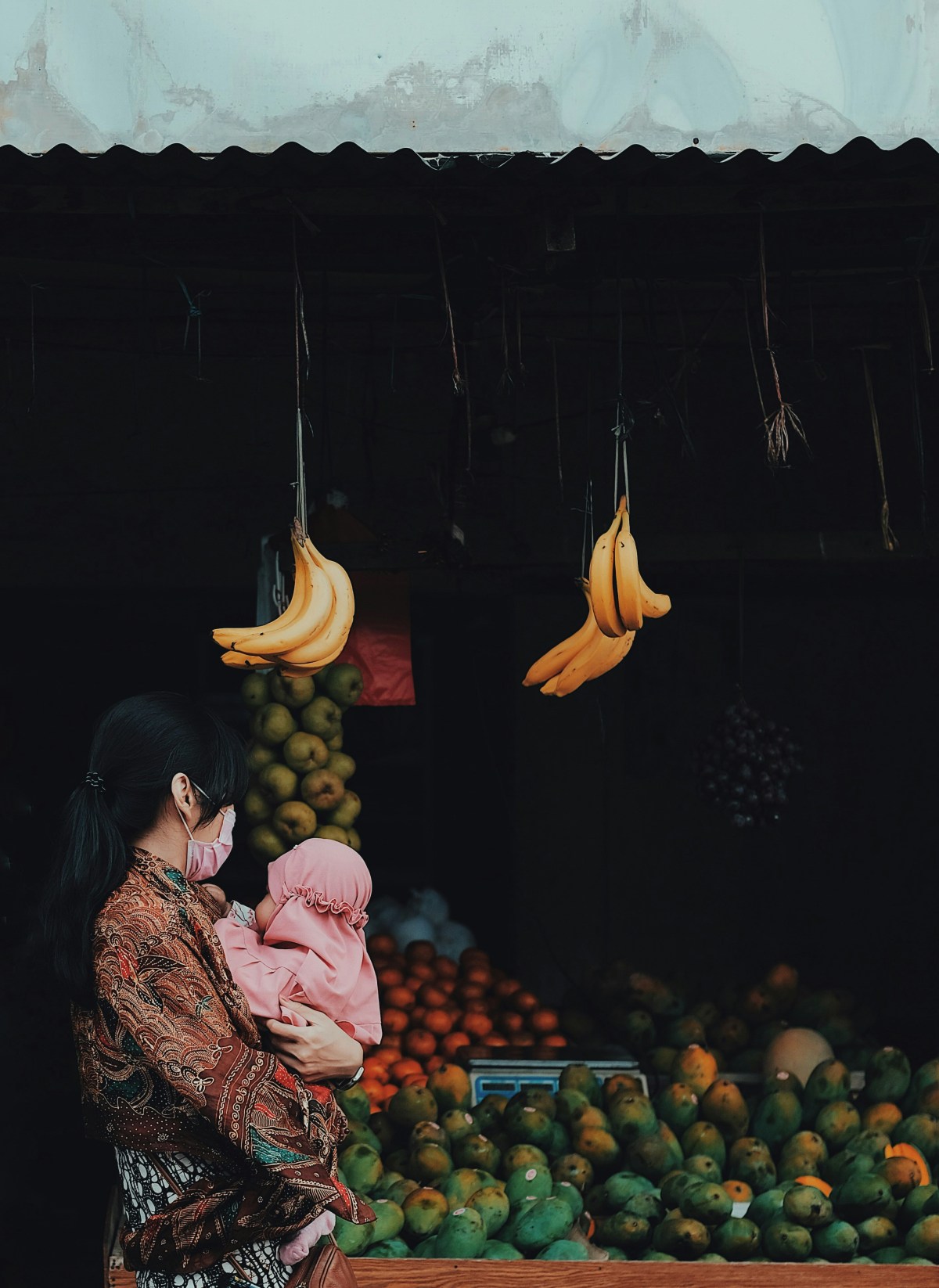
Words by Puspadewi Adiseputra
“This tastes like home.” is a phrase I sometimes hear when I talk to my fellow foreigner friends during meals, especially in a restaurant serving their country’s cuisine. “How does something taste like ‘home’?” I wondered. I was having dinner with a friend who also has experience studying abroad, and as we were talking about homesickness, a question popped up in our heads: “Why is it that when someone misses home, the first thing they look for most of the time is their country’s cuisine? Why not music in their language, which is easier to access?” I think the answer has something to do with how food is not simply about the things we eat.
I grew up in Indonesia, where most of the foods are cooked with various kinds of spices, resulting in a strong taste and a rich aroma. In contrast, my friend grew up in Japan, where the ingredients are cooked in a way that best preserves their natural flavor, which results in a mild flavor. Now living in Japan, while I do find the Japanese food delicious, I can’t help but miss the strong scent of spices greeting me before digging in. When homesickness strikes and I look for Indonesian foods, I realize that going to an Indonesian restaurant or cooking Indonesian food together with my Indonesian friends fulfills me better than eating Indonesian food alone at home. The conversation I had with my Japanese friend during our dinner helped me discover why.

Aside from the differences in the foods in general, there are more differences in mannerisms during meals between Indonesia and Japan. One of them is greetings before meals. In Japan, it is basic manner to say itadakimasu before eating and gochisousamadeshita after finishing one’s meal to show respect towards the food, while in Indonesia, we usually greet the people we eat together with, especially the ones older than us, saying we are going to eat. Another difference is in the utensils used during meals. While in Japan, chopsticks are the traditional and most used eating utensils, it is not the case in my home country. Spoon and fork are the most used utensils today, although traditionally, we use bare hands to eat, and we still occasionally do! Some cuisines are also deemed more “flavorful” when eaten with hands, such as fried chicken, fried fish, crabs, and more. However, this is considered bad manners in Japan, so I almost never do it here. Having Indonesian food in an environment where I am surrounded by people who also came from similar backgrounds and have the same values and mannerisms regarding food growing up resulted in, according to Bourdieu (1977), a much more similar habitus, which brings me back to my time at home having meals together with my family, eating in ways I am most familiar with. This, in my opinion, is what contributes to how something “tastes like home” the most: the sense of familiarity with the mannerisms and atmosphere during meals, which completes the taste and scent of home food.

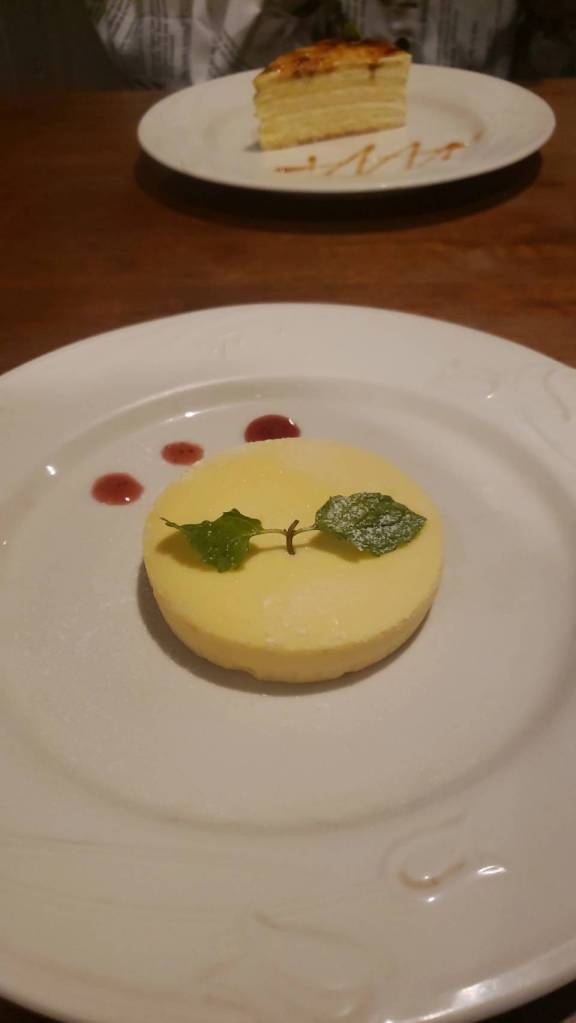
Sadly, living in another country for a long time does alter our taste buds. Most Indonesians love spicy foods, and some of my friends who also live in Japan shared that their spice tolerance had gone lower with the lack of spicy foods in Japan. Some also shared that they got stomachache when eating at a food stall in Indonesia. While I hate to admit it, Indonesia’s food stalls are less sanitary compared to Japan. These experiences upset them because it made them feel as if they lost their affinity with the authentic food of our country, which slightly mirrors the experiences of the Korean immigrants in a paper by Sandra Soo-jin Lee (2000).
I found that the phrase “This tastes like home” holds a profound meaning that extends beyond the flavors of dishes. I’ve come to understand that the taste of home is not just about the ingredients or cooking styles, but also about the cultural habits and mannerisms associated with shared meals. Whether it’s the aromatic spices of Indonesian cuisine or the subtle flavors of Japanese dishes, when shared with others who share a similar background they heighten the sense of belonging and nostalgia. Living abroad does impact our preferences, and a sense of loss often accompanies the longing for the authenticity of home. Despite that, the experience of enjoying familiar foods with like-minded individuals helps bridge the gap, offering a taste of home that goes beyond the plate.
References
Bourdieu, Pierre. (1977). Outline of a Theory of Practice. Cambridge: Cambridge University Press
Lee, Sandra Soo-jin. (2000). Dys-appearing Tongues and Bodily Memories: The Aging of First-Generation Resident Koreans in Japan. In Ethos 28 (2), pp. 198-223
 The Polyphony